The government has announced draft Digital Duty of Care legislation that will aim to make platforms safer by changing what they recommend and requiring them to more thoroughly moderate harmful content. But for marginalised communities such as the LGBTQIA+ community, who are often left out of this conversation entirely, safety also means protecting access to lawful, important content and the communities around it. It means including safeguards against wrongful removal and suppression, as well as making sure the entire community is part of the conversation.
The draft legislation, unveiled on Tuesday by the Albanese Government, will introduce My Feed, My Way, an initiative that will allow users to choose whether their feed is personalised content recommended by an algorithm or chronological content from friends and people a person follows.
Under-18s will also get additional protections when using digital services, with businesses required to protect them from design features that have negative behavioural impacts and from harmful content like “content that promotes hostile ideas about women and gender equality” or “pornography”.
The government says the new laws would put more responsibility on digital service providers to “provide a safe online environment, setting minimum standards for the features and tools they use”.
This is where how it’s executed becomes critical, with two main areas that need to be taken seriously during consultation and development.
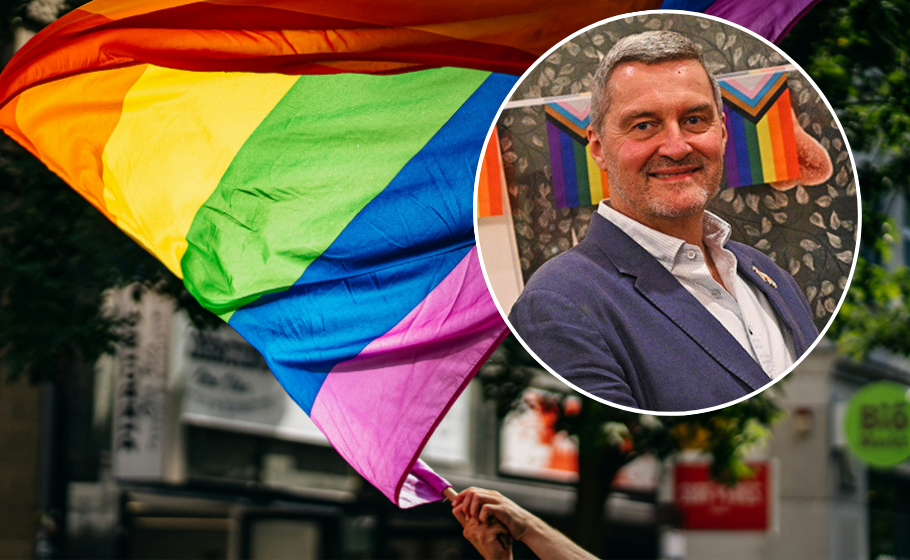
Martha Dimitratou, Founder of Repro Uncensored said it best to me today:
“The debate is missing half the problem: we are talking about harmful content being pushed at people, but not about important content already being pushed out,” she said.
Firstly, vague automated moderation systems are one of the main reported drivers of suppression online for marginalised communities. There is growing evidence of LGBTIQA+ people and organisations, health organisations, BIPOC communities, and sex-workers or sex-positive accounts being targeted by automated systems.
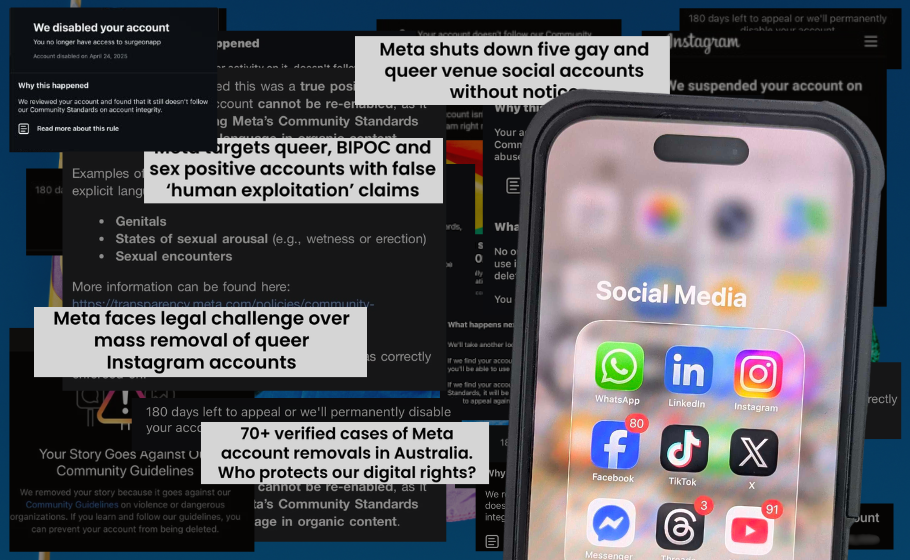
As we have previously reported at QNews, Meta has removed or restricted many Australian accounts belonging to LGBTQIA+ creators, organisations and other marginalised communities, with automated systems falsely flagging lawful content and appeal avenues opaque and inaccessible.
Activists are also being actively silenced by Meta around the globe, with the platform recently blocking hundreds of accounts belonging to journalists, activists and politicians protesting a luxury resort in Albania, including Euronews.
Secondly, when speaking about the “manosphere” and harmful content, what appears to be missing entirely from mainstream conversation is how this behaviour online also heavily intersects with racism, homophobia and transphobia.
Just this week, Victoria released its report into LGBTIQA+ hate crimes, finding that online platforms exacerbate danger to LGBTIQA+ people, through algorithms promoting harmful misinformation and a lack of online protections.
The point being, if we look at this from only one angle, we risk causing unintentional harms to countless others.
Related Content:
- 70+ verified cases of Meta account removals in Australia. Who protects our digital rights?
- Boys had misogyny before they had algorithms. I was there
- Meta shuts down five gay and queer venue social accounts without notice
‘We cannot fix our feeds without [also] protecting the people being removed from them.’
Giving Australians more control over what appears in their feeds is an important step, particularly given the clear evidence that algorithms can push users towards increasingly extreme and harmful content.
The Government’s proposal responds to part of that concern by giving Australians over 16 a choice over whether their default feed is personalised by an algorithm or limited to content from accounts they have chosen to follow.
The broader Digital Duty of Care would also shift responsibility so that platforms would be expected to identify risks of harmful content and take steps to mitigate them.
The legislation could also attract serious penalties, with companies facing fines of up to $109.2 million for failing to comply.
But this legislation is still a draft and there is an opportunity to get the safeguards right before it is voted on in Parliament.
“We cannot fix our feeds without [also] protecting the people being removed from them,” said Martha.
The moderation elephant in the room
As it stands, Repro and QNews have documented more than 70 verified Australian cases involving accounts and content wrongfully removed or restricted by Meta, including LGBTQIA+ creators, sexual health organisations, sex-positive accounts and BIPOC communities.
The reasons given in these cases by AI messaging systems have included false accusations and classifications around exploitation and human trafficking.
And, being only verified cases of people who have come directly to our organisations, this number does not even scratch the surface of the restrictions and suppression.
You can read more about that here.
Those being removed aren’t people or businesses asking algorithms to promote their content more aggressively in a recommendations-based algorithm. They are asking to be allowed to exist on the platform, to have access to their communities, to be able to express themselves safely.
While Australia does not have an express constitutional right to free speech, that does not mean private platforms should be beyond accountability when they restrict lawful communication and expression.
So, while we debate content moderation by tech giants, we cannot forget accountability when platforms pervert that responsibility.
These are questions QNews has put directly to the Labor government and members of the crossbench.
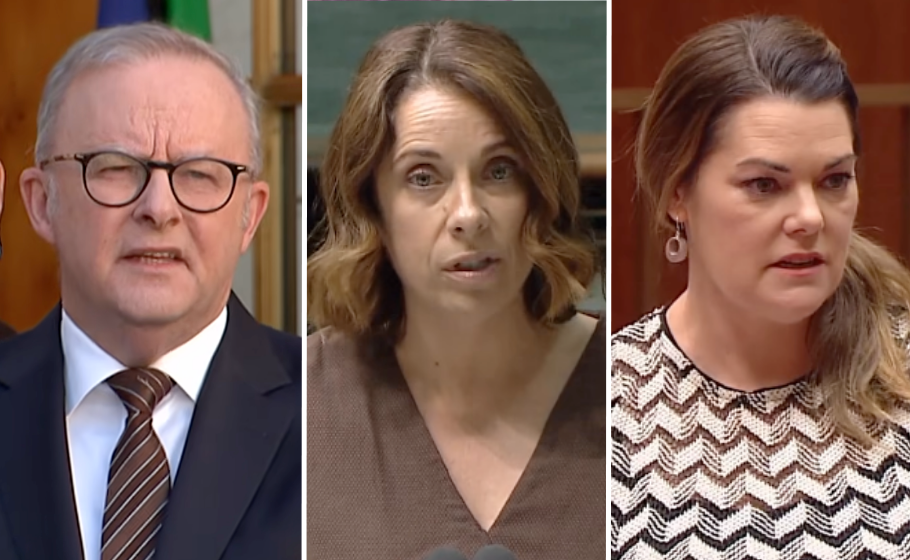
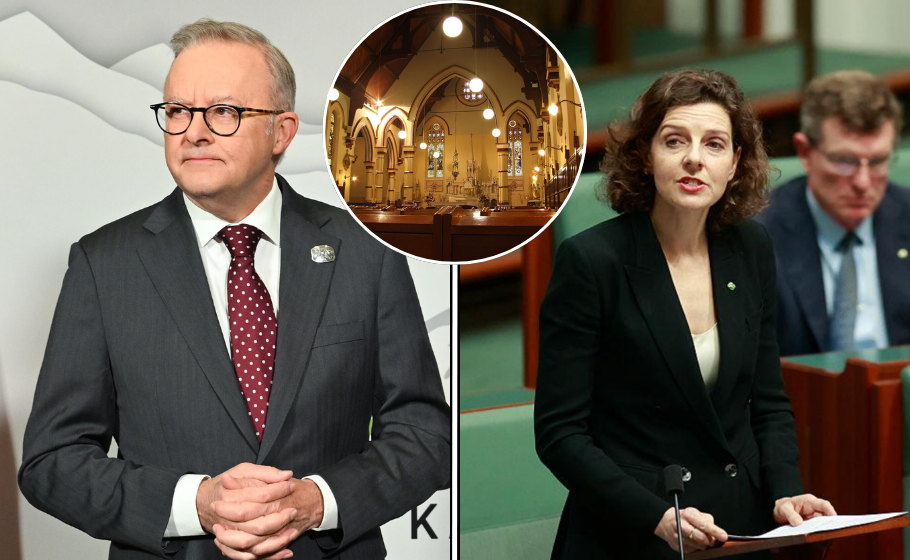
QNews has written directly to Minister Wells, Prime Minister Albanese, Greens Senators Sarah Hanson-Young and Senator David Shoebridge and other independent senators to ask whether they will include or push for stronger protections for marginalised communities as the proposed legislation progresses.
In particular, we asked whether the legislation will include clear definitions around harmful content and accountability mechanisms, such as an independent safety net for people who are wrongly removed or suppressed by platforms.
Allowing control of access to information and communication to lie squarely in the hands of either billionaire tech bros and/or governments is not good enough.
We have seen the impacts of this. We need accountability through independent regulation and monitoring.
View this post on Instagram
A National-Average Explore page
There is another part of this conversation that needs to be addressed, while we’re here.
Chanel Contos of Teach Us Consent has spent years making the case for stronger algorithm regulation, including in her recent National Press Club address, where she warned that young people can be drawn into misogynistic online content through recommendation systems.
But recently, as part of that campaign, in her speech she suggested that, if we were to entirely move to an opt-in algorithm, Explore-style pages could still default to recommend content based on a “broad national average” rather than an individual’s scrolling habits.
This raises serious alarm bells. What does a “national average” actually look like?
If recommendation systems are replaced with content reflecting what the broadest section of Australians are interested in, there is a risk that “average” becomes another word for removing diversity and inclusion.
Martha shared with QNews how dangerous a proposal like this could be.
“It could push already marginalised voices even further out of public view,” she said.
“Basing recommendations on a broad ‘national average’, risks favouring content that is already dominant. It could make minority voices harder to find and leave people trapped within the same networks and opinions they already know.”
“This is critical to participatory democracy. People need to be able to discover new perspectives, civic movements and communities that have historically been excluded from mainstream media.
“We should not replace hyper-personalised feeds with an online space controlled by whichever voices are already the biggest and most socially acceptable.”
For LGBTQIA+ people, First Nations people, people of colour and other marginalised communities, social media recommendation systems based on national averages would cause dire consequences.
So, while it does not appear that the government has taken on this proposal at this stage, as conversations continue, I want to raise this point in hopes that the wider community discussing the reforms will take these concerns into account.
The full community needs to be considered in this conversation.
View this post on Instagram
The main thread: independent regulation and monitoring
I am not going to sit here yelling “censorship” like the conservatives of the country.
We all know the reason they’re so up in arms is because their precious way to indoctrinate vulnerable people into divisive hate campaigns is threatened.
But I will add this final piece of evidence to build a case for ongoing independent regulation of tech platforms alongside control over your own algorithms is what recently took place in Albania, as I pointed to earlier in the piece.
Meta recently blocked more than 200 accounts belonging to journalists, activists and politicians protesting a luxury resort in Albania, including Euronews Albania, according to reporting on the incident.
The accounts were later restored, with Meta saying it was investigating what happened.
Activists and journalists around the world have continued to find themselves at the mercy of decisions made by giant technology platforms with little transparency and limited avenues for appeal.
“If people can pay to exploit Meta’s systems to silence activists and the press, the same form of censorship could be happening elsewhere in Europe, posing a direct threat to our democracies,” Martha said.
The circumstances of individual cases will always differ, but the broader problem remains.
A private company can effectively remove a person, organisation or media outlet from a major channel of communication with the push of a button.
So if we are asking them to go even further, and moderate more harshly, we need to also ask for protective mechanisms.
We need meaningful avenues of appeal, and we need to make sure that people likely to be harmed by these systems are not left out of the conversation about how they are built.
For the latest LGBTIQA+ Sister Girl and Brother Boy news, entertainment, and community stories in Australia, visit qnews.com.au. Find us on Facebook, Twitter, Instagram and YouTube.