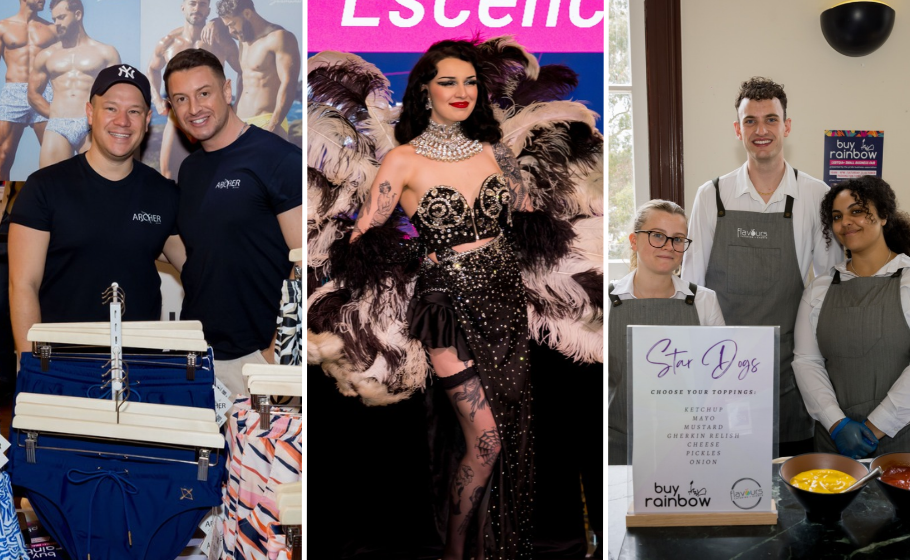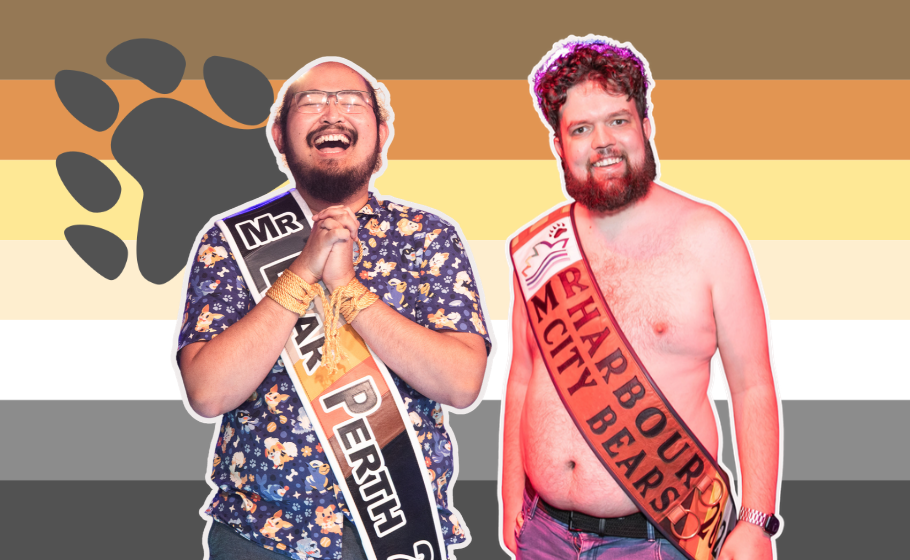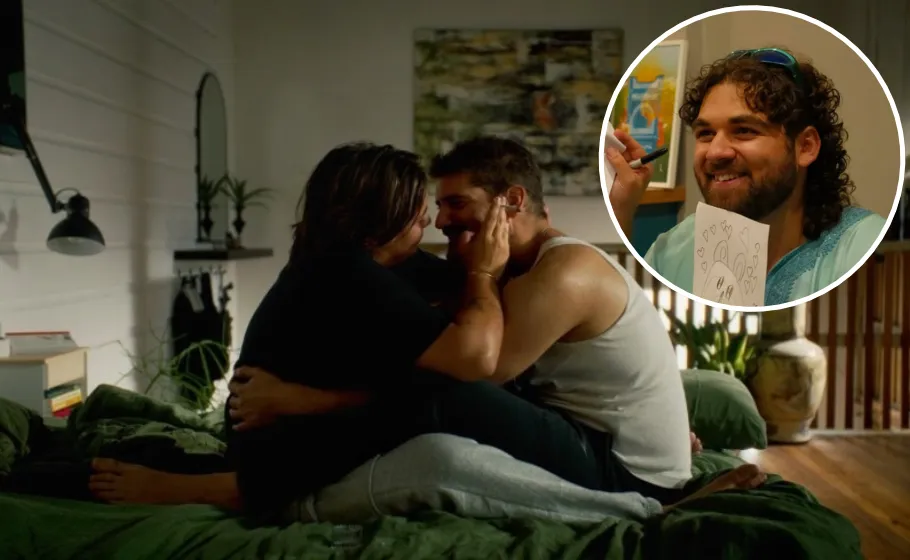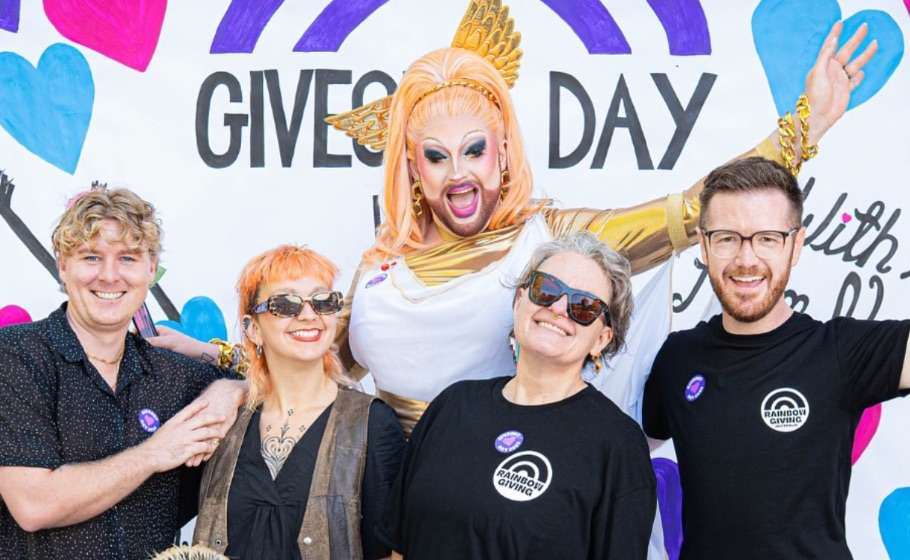
Thousands of people can turn up for a regional Pride and it can still disappear. Behind the parades and parties are smaller teams chasing sponsors, filling volunteer rosters and trying to make sure there will be another one next year.
In Carnarvon, Western Australia, the problem wasn’t getting people to Pride. It was finding enough people to put it on.
For three years, the coastal town, around 900 kilometres north of Perth, hosted Queernarvon. More than 300 people attended events in its first year. In a town of just over 4,000 people, that was no small crowd.
Pride, organisers say, was well supported by the local community. However, there will be no march in 2026.
Most of Queernarvon’s committee has stepped down or moved away, leaving too few volunteers to coordinate another event, according to ABC News.
On the other side of the country, Newcastle Pride announced that this year’s Fair Day will not go ahead due to a lack of sponsorship and grant funding, despite last year’s being one for the record books with over 18,000 attendees.
In May, Tamworth Pride announced they would be postponing the festival until 2027 due to a lack of sponsorship.
Wagga Wagga tells a similar story. Around 10,000 spectators and supporters turned out for its first Mardi Gras in 2019. In the years that followed, thousands continued to line the streets, with more than 15,000 people attending the parade in 2023.
The event itself had grown too. What began with 17 floats and 700 parade participants had expanded to more than 50 floats and 1,500 participants by 2022 and 2023, according to Wagga Wagga City Council records.
Mardi Gras returned once more in April 2025. A month later, organisers announced it would not return.
So how does an event that can bring thousands of people into the streets become too difficult to keep running?
Related Content:
- Greens call for NSW pride fund after another LGBTQIA+ event is cancelled
- ‘This is a pause, not goodbye’: Newcastle Pride postpone this year’s Fair Day
- Wagga Mardi Gras calls for help as top sponsors pull out
The party is only the visible part
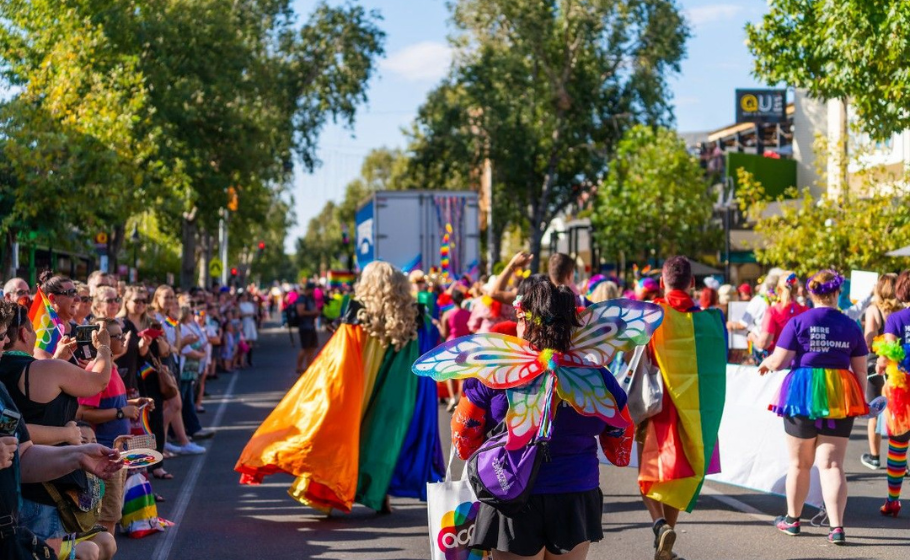
Anyone who has been to Pride knows what the finished product looks like: the parade, the drag, the music and the market stalls. What the crowd doesn’t necessarily see is everything required to get them there.
In Carnarvon, that came down to people. When most of Queernarvon’s committee moved away or stepped down, there simply weren’t enough volunteers left to organise the march.
In Wagga, money became a problem. Wagga Wagga Mardi Gras was run by a volunteer committee, with support from council and sponsors including Charles Sturt University.
In 2024, organisers learned major sponsor Coles would no longer provide its annual $15,000 contribution.
“If there’s no sponsorships, and we can’t get businesses to come on board, then we may see the last of Wagga Mardi Gras,” festival president Holly Conroy told ABC News at the time.
The festival did make it to 2025, but in May its committee announced it would close, citing the increasing difficulty of securing sponsorship and grant funding.
There is something striking about thousands of people being able to line a parade route while the organisation behind it struggles to survive. The scarce resource isn’t always an audience.
When losing a few people makes a big difference
Of course, metropolitan Pride events need volunteers, money and sponsors too. But the experience of regional Pride shows how quickly losing one part of that equation can matter.
You can see it playing out across regional Western Australia right now.
Carnarvon has lost its Pride march after most of its committee stepped away. In the state’s south, Busselton’s long-running Pride parade has also been cancelled this year, with organisers instead directing their limited resources towards education and wellbeing events.
Further north, though, Pilbara Pride is growing. What began as a games night among friends has grown to attract around 1,500 people across Port Hedland, Karratha and Onslow.
PHLAGS+ secretary Gloria Jacob credited that growth to dedicated volunteers alongside support from local government and the resources sector.
“The main reason we do it is to ensure our young people, our First Nations people and those who are less able to access these safe spaces know PHLAGS+ exist,” she told the ABC.
Same state. Very different trajectories.
Pride where you actually live
And that’s what makes the fragility of these events matter.
For someone in Sydney or Melbourne, queer community doesn’t begin and end with Pride. There are LGBTQIA+ venues, organisations, services, sporting clubs, social groups and events throughout the year.
For people living hundreds of kilometres from a capital, those opportunities can look very different.
When Broken Hill held its first Rainbow in the Outback festival in 2025, locals spoke about what it meant to have a queer event in the place they actually lived.
Lifelong Broken Hill resident Matthew McIntosh told ABC News the festival had helped them become more comfortable expressing themselves outside the event itself.
 Rainbow in the Outback brings LGBTQIA+ celebration and visibility to Far West NSW. Image: Rainbow In The Outback/Tanja Bruckner
“Breaking out of my shell a little bit with the help of festivals like this has very much helped me to do that when it’s not a festival,” they said.
Performer Dorian Lenoir, who grew up on South Australia’s Yorke Peninsula, remembered a childhood without queer events or many older queer people around them.
“Growing up queer in the countryside wasn’t something people talked about,” they said.
ACON regional outreach manager Gavin Prendergast pointed to the isolation LGBTQIA+ people can experience in regional communities.
“It’s vitally important that things like this exist, especially in the Far West of NSW,” he said.
It gets at something travelling to Sydney for Mardi Gras can’t quite replicate. You can go to the city for a parade or a party, but that’s not quite the same as seeing Pride become part of the public life of your own town.
Regional Pride means finding queer community doesn’t always require leaving home.
So, what keeps one going?
There doesn’t appear to be one answer.
Rainbow in the Outback is back in Broken Hill this week for its second year, with a program spanning queer art, film, drag, live music, markets and community events.
There is money behind some of that work. For example, in July, Rainbow in the Outback Inc was approved for $20,000 through the NSW Government’s Regional Event Fund.
In the Pilbara, organisers point to volunteers, local government and industry support.
And on the Central Coast, the established Coastal Twist festival makes the number of hands behind a Pride event unusually visible.
Ahead of its eight-day 2026 festival, which begins on September 27, Coastal Twist is inviting people to take part not only as audiences, but as volunteers, artists, sponsors, partners, venues and local businesses.
“There’s a place for you at Coastal Twist,” its call-out reads.
None of these is a neat formula, but they make everything surrounding a successful Pride event a little easier to see. And then there is Wagga.
When Pride comes back differently
When Wagga Wagga Mardi Gras closed, it left a city that had already demonstrated, year after year, that people would turn up for Pride.
This month, Pride returned in a different form.
The inaugural Pride in the Paddock took over Wagga’s Riverside Precinct on September 19, with drag, aerial dance, live music, markets, community organisations and family activities.
The free event was hosted by Curious Arts Community Inc, whose organisers hope it will become an annual fixture.
It’s not Wagga Wagga Mardi Gras reborn under another name—a different organisation is behind it, and a different event is taking shape—but there is something hopeful about how quickly the gap began to be filled. And, of course, the people who wanted Pride hadn’t gone anywhere.
Who takes over when you step away?
That might be one of the harder questions hanging over community-run Pride.
Not just whether you can get an event off the ground, or persuade people to come, but what happens three, five or ten years later.
People move, volunteers get busy, founders step away and sponsors change priorities. Eventually, somebody else has to know how to book the venue, write the grant application and convince everyone to do it all again next year.
For a small organisation, losing that knowledge can matter as much as losing money, and that’s why Wagga and Carnarvon make such interesting counterparts.
In Carnarvon, much of the organising committee stepped away and Pride stopped with them, at least for now.
In Wagga, one event ended, but the appetite for Pride didn’t disappear with it, and another group has picked up a version of the baton.
In fact, when Wagga Wagga Mardi Gras announced its closure, Conroy said she hoped exactly that might happen.
“We’re incredibly proud of what we’ve achieved, and we hope the next generation will step up to build on the legacy we’ve created,” she said.
Neither tells us exactly how regional Pride should be run. Nor does government funding in Broken Hill, industry support in the Pilbara or Coastal Twist’s broad community model offer a blueprint that can simply be dropped into another town.
Different places have different people, industries, funding opportunities and needs—but together, they make the work behind Pride a little easier to see.
The thousands of people lining a parade route are the obvious sign that Pride matters.
The harder part happens long before anyone arrives: finding the people, money and support to make the day possible, and then finding enough of them to do it again.
Because getting people to show up for regional Pride may not be the hardest part—it’s making sure Pride can keep showing up for them.
For the latest LGBTQIA+ Sister Girl and Brother Boy news, entertainment, and community stories in Australia, visit qnews.com.au. Find us on Facebook, Instagram and YouTube.