New findings from Australia’s Trans & Gender Diverse Sexual Health Survey were presented this week. Showing both major progress over the last seven years and ongoing challenges.
The survey, which was the largest of its kind in Australia, found significant improvements in healthcare experiences, sexual well-being and relationship satisfaction amongst trans and gender diverse individuals. However, it also highlighted some remaining areas of concern.
Related content:
- 142 medical professionals call for QLD trans healthcare to be restored
- Have Your Say In First National Survey of Trans And Gender Diverse Sexual Health
- 68% reduction in suicidality for trans youth on HRT says new report
What was the survey about?
Australia’s Trans & Gender Diverse Sexual Health Survey is run by the Kirby Institute at UNSW.
It aims to build a clearer, more honest picture of sexual health and well-being among Australia’s trans and gender diverse communities.
The survey’s findings were presented at the Melbourne conference on Tuesday.
The study was the largest of its kind, surveying 4,388 trans and gender diverse Australians aged 16-83 years. That’s three times the number who participated in the last survey conducted in 2018.
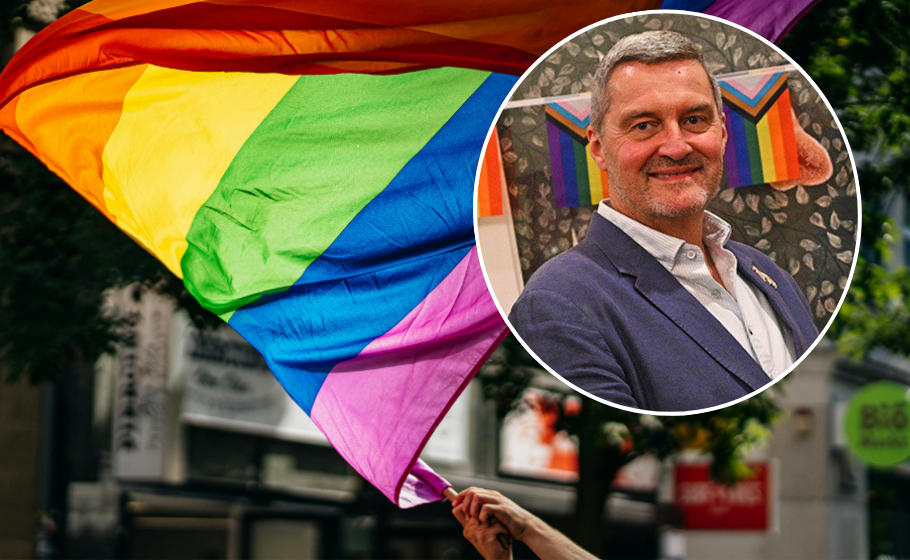
 Image: Teddy Cook Supplied
What’s changed since 2018?
Improvements in sexual and romantic satisfaction
From 2018 to 2025, those satisfied with their sexual lives increased from 31% to 39%, while romantic satisfaction stayed almost the same (49%).
Almost 90% had had at least one previous sexual experience, with around 70% reporting sex within the last year. More than half of participants were in a romantic relationship (56%), of which 24% were non-monogamous or ‘open’, and about 75% were exclusive.
Affirming sexual health care
More than half (55%) of trans respondents reported receiving affirming sexual health care, up from 36% in 2018. Such improvements were seen in sexual health clinics, community-led services, general practices, and hospitals.
The degree to which sexual healthcare was affirming for trans and gender diverse people was measured using five items related to disclosure, paperwork, assumptions, information received, and the overall usefulness of care.
Since 2018, sexual healthcare appears to have become more affirming for trans and gender diverse people.
Challenges in sexual health care
Despite this improvement, the system definitely isn’t perfect for trans and gender diverse people.
Non-binary people reported greater challenges to sexual health and well-being than trans men and trans women. Non-binary people also experienced less affirming sexual health care and the greatest increases in STIs, while also reporting less diagnostic testing and lower use of condoms.
Testing for STIs amongst the community remains low. Only one in three respondents tested in the year before the study. Participants also reported an increase in diagnoses of chlamydia, gonorrhoea and syphilis.
Participants who reported gender unaffirming care were less likely to get tested than those with largely affirming experiences, a finding which follows similar results from the 2018 survey.
Study co-investigator Mai Nguyen said this finding “underscores the importance of respectful care.”
An increase in trans joy!
The survey showed some encouraging trends around mental wellbeing, connected to rates of gender affirmation and euphoria.
Most participants (72.3%) reported high levels of gender euphoria, meaning positive feelings and experiences around gender identity, expression, or affirmation. Non-binary people reported the highest levels of gender euphoria (74%), followed by trans men (71%) and trans women (68%).
Almost all survey participants reported some form of social, legal, or medical gender affirmation (98.5%!)
Nearly half of trans and gender diverse people reported satisfaction with their romantic life (49.2%), which was similar to results from 2018.
Teddy Cook, study co-lead and Adjunct Senior Lecturer at the Kirby Institute at UNSW, said the survey “found low rates of depression and high rates of gender satisfaction, which speaks to our community’s resilience and the positive lives people are building.”
Good mental well-being was reported by 14.4% of participants in 2025, 67.6% had average well-being, and 18.0% had poor.
Most participants had no indications of depression (70%), while 28% had moderate to severe indications, with no distinctions by gender.
Sexual violence remains a major threat
The most concerning finding from the report was the high rates of sexual violence (51%), which hasn’t changed since 2018. This is three times the rate of the general population (14%).
Half of trans and gender diverse people also reported experiences of intimate partner violence.
Trans and gender diverse people were also unlikely to seek help following experiences of sexual violence. When people did seek help, they were most likely to go to mental health professionals, friends, and partners.
Only 9.5% of trans and gender diverse people who experienced sexual violence sought help from the police, and those who did were unlikely to describe them as helpful (27%).
What does it all mean?
Though the findings highlight some challenges, the report overall points to encouraging signs of progress for trans and gender diverse Australians.
The community’s joy, resilience, and connection is not only beautiful but deeply necessary at a time when discrimination against trans and gender diverse people is increasing.
While we should reflect with pride on the progress shown in this report, the Kirby Institute’s Associate Professor Denton Callander says we must “continue to invest in inclusive, safe, and evidence-based healthcare” in the future.
For the latest LGBTQIA+ Sister Girl and Brother Boy news, entertainment, and community stories in Australia, visit qnews.com.au. Find us on Facebook, Instagram and YouTube.