Police detained 51 people during a raid on a gay BDSM bar in Taipei, prompting protests from the LGBTQIA+ community, disciplinary action against six officers and an apology from the city’s mayor.
A police raid on a gay BDSM bar in Taipei has sparked protests from the city’s LGBTQIA+ community, less than a month before Taiwan Pride.
Police raided Commander D in Taipei’s Ximending district on Saturday, taking 51 people in for questioning over alleged breaches of public decency laws. The person in charge of the venue was later referred to prosecutors on suspicion of public indecency.
But much of the anger since has centred on the way police conducted the raid.
LGBTQIA+ groups said witnesses described officers ordering people to squat, preventing patrons from talking or using their phones and refusing to show the search warrant to those being searched. They also alleged police used humiliating and discriminatory language towards people with disabilities.
Footage circulated online showed an officer asking a patron who uses a wheelchair an invasive question about how disabled people have sex. Police later acknowledged officers had used inappropriate language during the operation and disciplined six members of the force.
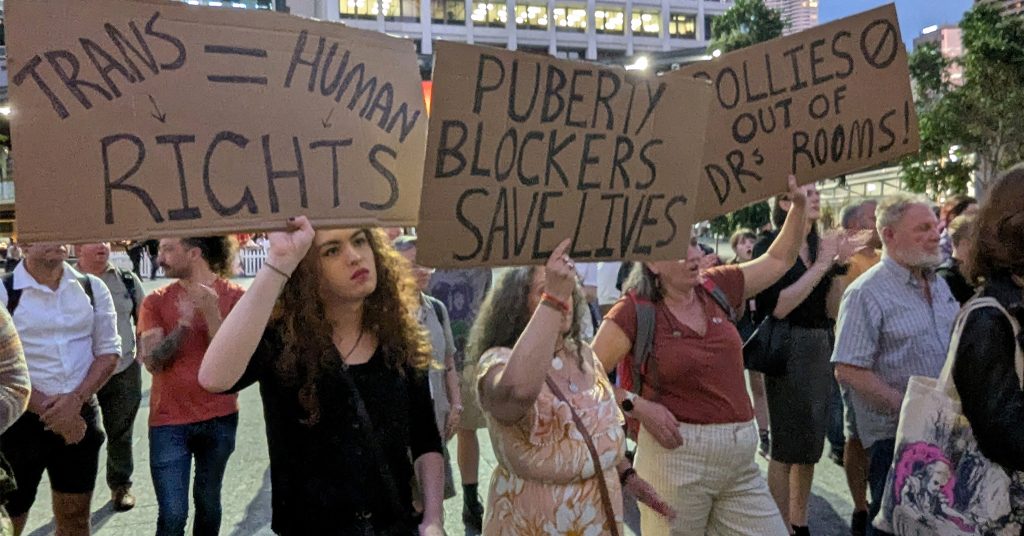
By Sunday, protesters had gathered near Ximending’s Red House, a longstanding hub of Taipei’s queer nightlife, before marching to the local police station.
Taipei Mayor Chiang Wan-an has since apologised to those affected and expressed regret over what he described as “improper conduct” by police.
All of this comes in a city with a very particular relationship to queer visibility.
Taiwan became the first place in Asia to legalise same-sex marriage in 2019, while Taipei is home to one of the region’s most visible queer communities. On October 31, the city will host the 24th Taiwan LGBT+ Pride, the largest Pride march in East Asia.
For the LGBTQIA+ groups protesting the raid, those achievements aren’t incidental to what happened at Commander D. They’re part of why it has hit such a nerve.
Related Content:
- What is the proposed ‘Pro-Life Core Group’ at the UN, and what could it mean for LGBTQIA+ rights?
- Cameroon police arrest 68 in one night in anti-gay crackdown
- Hungary begins rollback of Viktor Orban’s anti-LGBT laws
‘I trusted the police to know the law’
Taipei police say Commander D had been the subject of 13 complaints this year alleging activities that violated public decency.
Police Commissioner Lin Yen-tien said officers entered the venue under a court-issued search warrant and found naked patrons as well as used condoms. Authorities have maintained that the raid was lawful and not targeted at the venue because it was gay.
Commander D was also not the only gay venue visited by police that day. Wanhua Precinct spokesperson Chen Yu-cheng told Reuters there were three police operations involving gay bars in Ximen, while the precinct carried out broader inspections of entertainment venues.
One of the 51 people taken in for questioning told Reuters they had removed their shirt shortly before police arrived because the bar was crowded and hot.
They said they were held for more than six hours after police accused them of violating a law prohibiting someone from exposing their naked body or adopting a “lascivious” posture in a public place.
“I trusted the police to know the law,” they said.
Lead investigator Chen Yi-kai told Reuters that shirtless patrons were taken in because police had found evidence of sexual or obscene conduct but could not immediately determine who was involved.
Police said they were inclined not to fine the 51 patrons.
Six officers disciplined after the raid
The Taipei City Police Department has since disciplined six officers after reviewing their conduct.
Four officers received two reprimands each for inappropriate language, while the lead investigator received a demerit for failing to intervene. Wanhua Precinct chief Chen Yung-hua was also disciplined over inadequate supervision.
Police had initially denied allegations that officers made humiliating remarks towards people with disabilities. The precinct later said footage had confirmed inappropriate conduct.
Chiang apologised to those affected and said police discipline would be strengthened.
Asked whether Taipei could still be considered gay-friendly, the mayor defended the city’s record, saying people should enjoy equal rights regardless of their gender, sexual orientation or identity.
“Taipei has always been an inclusive and friendly city for us,” Chiang said.
It’s a reputation the city actively promotes.
Taipei’s own tourism authority promotes LGBTQIA+-friendly attractions and businesses, while its official tourism site describes the gay bars surrounding the Red House as a place where LGBTQIA+ people and allies “drink and celebrate the LGBT culture together”.
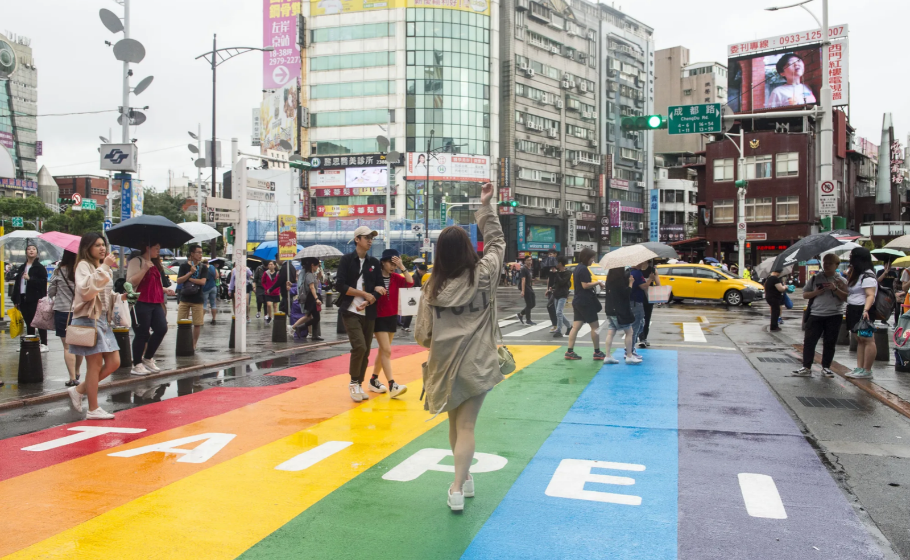
The city has also installed permanent rainbow landmarks in Ximending and outside Taipei City Hall, describing them as symbols of its commitment to human rights, gender equality and LGBTQIA+ inclusion. Its official tourism guide calls the Red House precinct part of that queer landscape.
Taiwan’s broader progress on LGBTQIA+ rights is substantial, too.
Marriage equality became law in 2019. Amendments to Taiwan’s marriage equality legislation in 2023 also expanded adoption rights for same-sex couples.
Taiwan LGBT+ Pride, meanwhile, returns to Taipei on October 31. Organisers describe it as the largest LGBTQIA+ Pride event in East Asia.
The Commander D raid doesn’t erase any of that. But for local LGBTQIA+ groups, it has reopened a much older conversation about the relationship between queer people and the institutions meant to protect them.
A history Taipei’s queer community hasn’t forgotten
In a joint statement following the raid, 10 Taiwanese LGBTQIA+ and gender equality organisations said what happened at Commander D recalled a history that stretches back decades.
Twenty or 30 years ago, the groups said, gay venues and gathering places existed under the shadow of police surveillance, inspections, raids and harassment. Queer people could find their sexuality, gender expression and intimate lives treated as suspicious or immoral.
They argue that history isn’t as distant as it might seem.
The statement points to another police search of a gay venue in Taichung in October 2025, which the groups say involved rights violations and ultimately contributed to the business closing.
Taiwan, the organisations noted, has been through decades of gender equality education, marriage equality and increasing LGBTQIA+ visibility.
But they argue that institutional progress cannot remain confined to laws and slogans.
 Crowds gather for Taiwan Pride in Taipei. Image: KOKUYO/Wikimedia Commons
Their argument isn’t that LGBTQIA+ venues should be exempt from policing. Instead, they say the existence of a search warrant does not remove obligations around due process, proportionality, human dignity and equal treatment.
Among their five demands are an independent investigation, the preservation and disclosure of police records where legally permitted, specific guidelines for police entering LGBTQIA+ and gender-diverse spaces, stronger protections for marginalised groups within police accountability systems, and an end to stigmatising portrayals of queer venues and sexuality by police and media.
That last point feels particularly relevant at Commander D.
A city can be comfortable celebrating Pride and marriage equality while still having more complicated ideas about queer sex, bodies and subcultures. For the groups behind the statement, the question is whether Taipei’s institutions have kept pace with the version of the city presented each Pride month.
‘Inclusivity should not only be visible on Pride’
The controversy has now spilled into Taipei politics.
Chiang, a member of the Kuomintang, is seeking re-election next month. His opponent, Democratic Progressive Party candidate Puma Shen, said unlawful conduct should be dealt with according to the law, but that people’s rights and dignity must still be respected when police exercise their powers.
“Taipei’s diversity and inclusivity should not only be visible on Pride parade day,” Shen said.
There is a temptation, after an incident like this, to ask whether Taipei really deserves its reputation as an LGBTQIA+-friendly city.
But tensions around the policing of queer nightlife are hardly unique to Taipei. In Sydney, recent police raids on LGBTQIA+ venues around Oxford Street have have prompted allegations of aggressive and intimidating treatment, reopening questions about a relationship with law enforcement that remains complicated decades after the first Mardi Gras.
The answer, then, isn’t especially useful as a binary.
Taiwan’s progress on LGBTQIA+ rights is real. Marriage equality materially changed people’s lives. Taipei has a visible queer community, a major Pride march and queer spaces that have moved from the margins of the city into its public identity.
Nor does police entering a gay bar, on its own, amount to evidence of discriminatory policing.
What happened at Commander D raises a narrower question: what should LGBTQIA+ people expect from a city once it has made inclusion part of how it sees itself?
For the groups protesting in Ximending this week, Pride and marriage equality are part of that answer. So is what happens when a queer person encounters a police officer on an otherwise ordinary Saturday afternoon.
For the latest LGBTIQA+ Sister Girl and Brother Boy news, entertainment, and community stories in Australia, visit qnews.com.au. Find us on Facebook, Twitter, Instagram and YouTube.