

New research from Diversity Council Australia (DCA) paints a sobering picture: 46% of LGBTQI+ workers say they experienced discrimination and/or harassment at work in the past year. Almost one in two people, and significantly higher than the 26% reported by non-LGBTQI+ workers.
It’s a worrying shift.
Back in 2024, 39 per cent of LGBTQI+ workers reported these experiences, so in the space of just two years, even more people are feeling the impact.
The report is being released during Australia’s peak Pride season, coinciding with Victoria’s Midsumma Festival and Sydney Gay and Lesbian Mardi Gras.
The data is a timely reminder that rainbow branding doesn’t always translate into safety or inclusion in the workplace.
The small moments that add up
Discrimination doesn’t always show up as a single dramatic incident.
Often, it’s the quiet, everyday stuff that chips away.
According to the research:
-
Nearly four in ten LGBTQI+ workers have been left out of work social events
-
Almost half say people made incorrect assumptions about their abilities
-
More than four in ten report being ignored or treated as if they didn’t exist
These moments can be easy to dismiss, but they take a real toll.
Workers who experienced frequent exclusion were more likely to say their mental health suffered, they felt less connected to their jobs, and they were considering leaving altogether.
“Everyday exclusion matters,” said DCA CEO Catherine Hunter. “It undermines wellbeing, drives people out of organisations, and weakens team performance.”
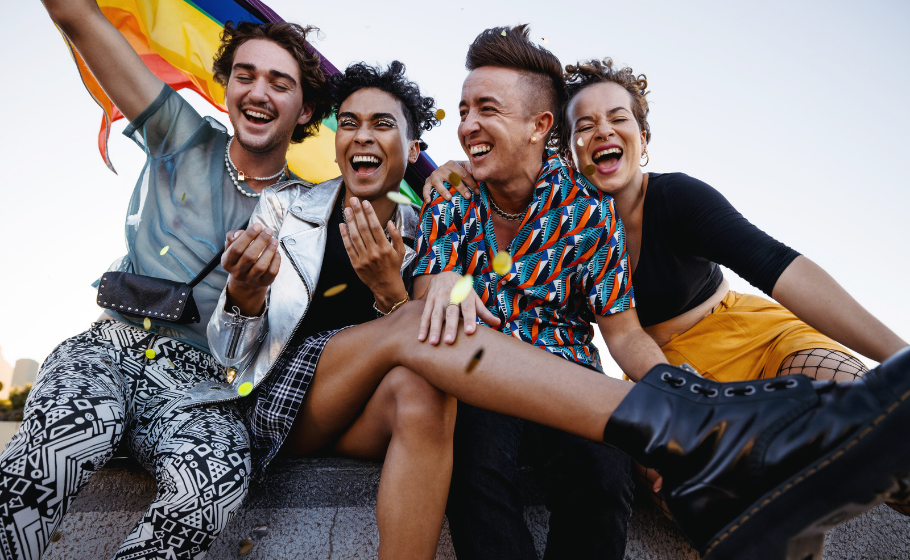
 Photo: Adobe Stock
Pride doesn’t automatically mean safety
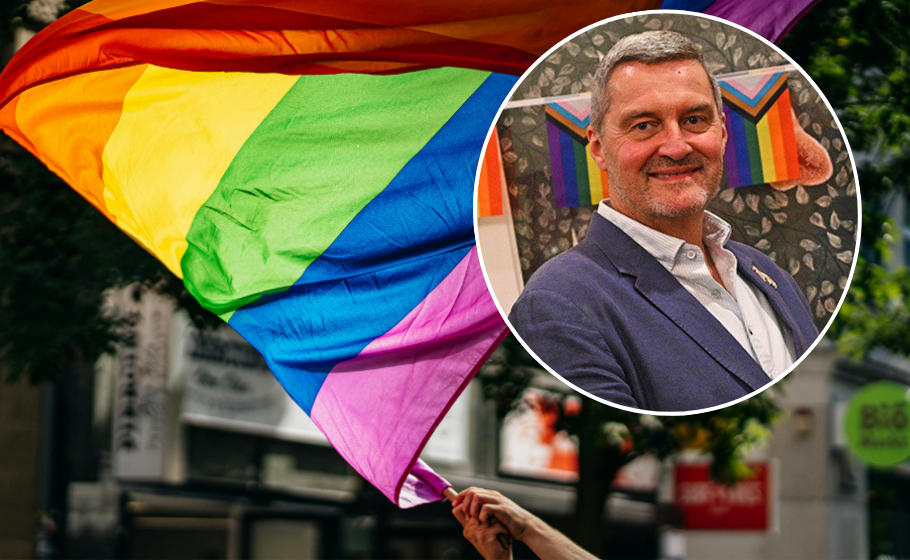
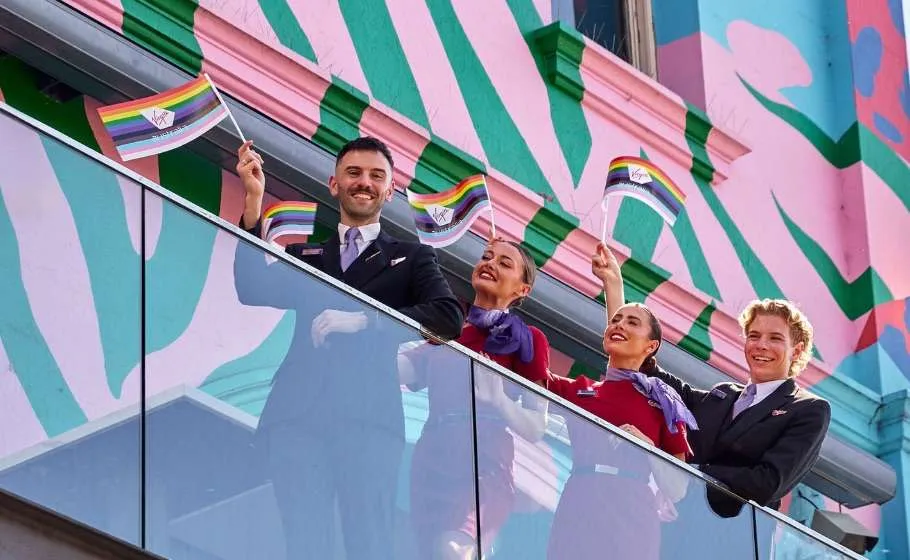
While many organisations show visible support for LGBTQI+ communities during Pride, the research suggests that waving the rainbow flag alone isn’t enough.
“Workplaces can’t be complacent,” Hunter said. “Inclusive cultures, supportive leadership and clear policies make a real difference.”
DCA’s findings show that when leaders are visible, policies are enforced and inclusion is treated as ongoing work, not a once-a-year campaign, discrimination drops and people feel safer showing up as themselves.
Understanding the full picture
The full 2025–2026 Inclusion@Work Index will be released on 26 February 2026, offering a deeper look at how Australian workplaces are tracking.
For now, the message is clear: while visibility matters, lived experience matters more. And for too many LGBTQI+ workers, the gap between what workplaces say and what they do is still painfully wide.
For the latest LGBTIQA+ Sister Girl and Brother Boy news, entertainment, community stories in Australia, visit qnews.com.au. Find us on Facebook, Twitter, Instagram and YouTube.


100%- its gotten substantially worse in the public sector, huge influx of overseas and evangelists in the 20 something cohort, and they speak openly in terms that would have been sackable a decade ago.