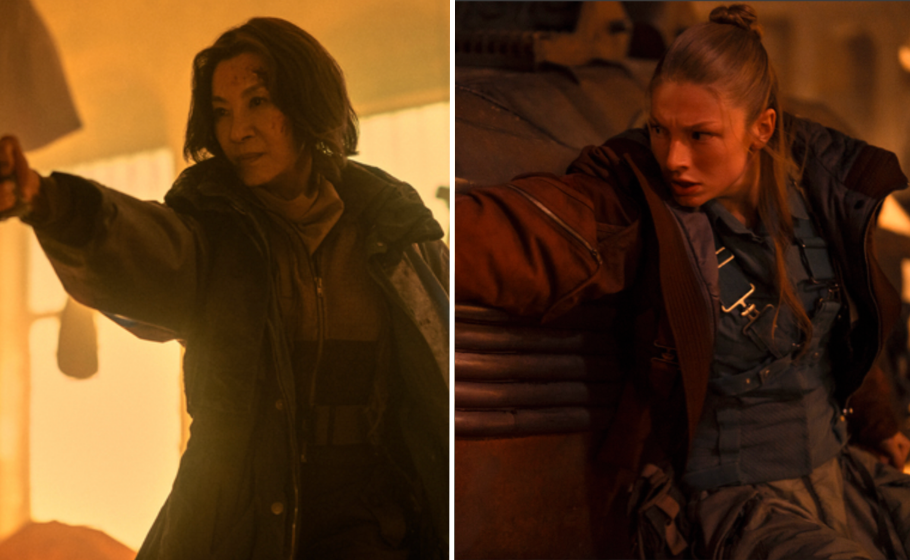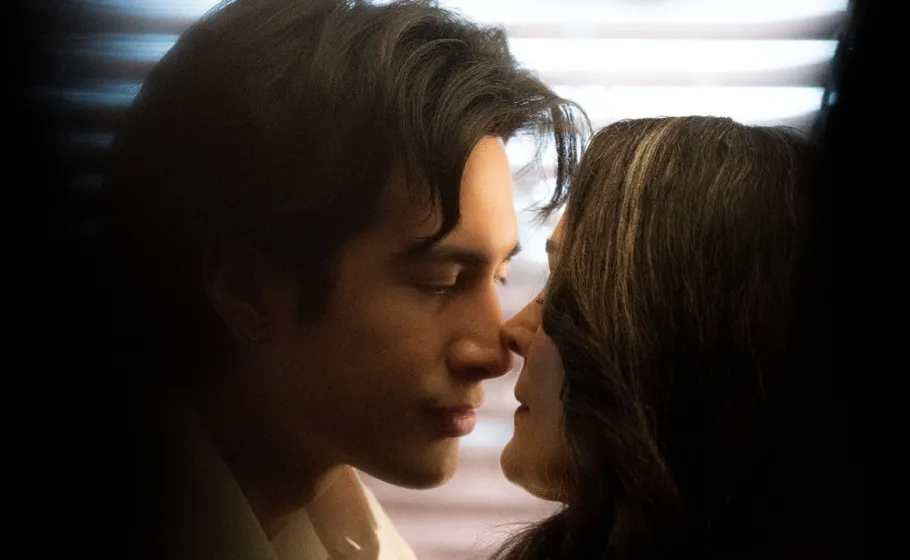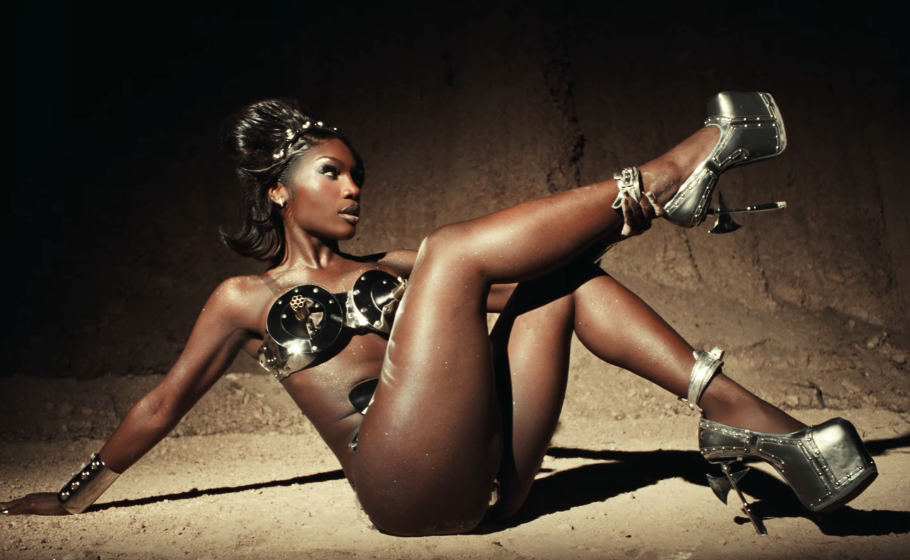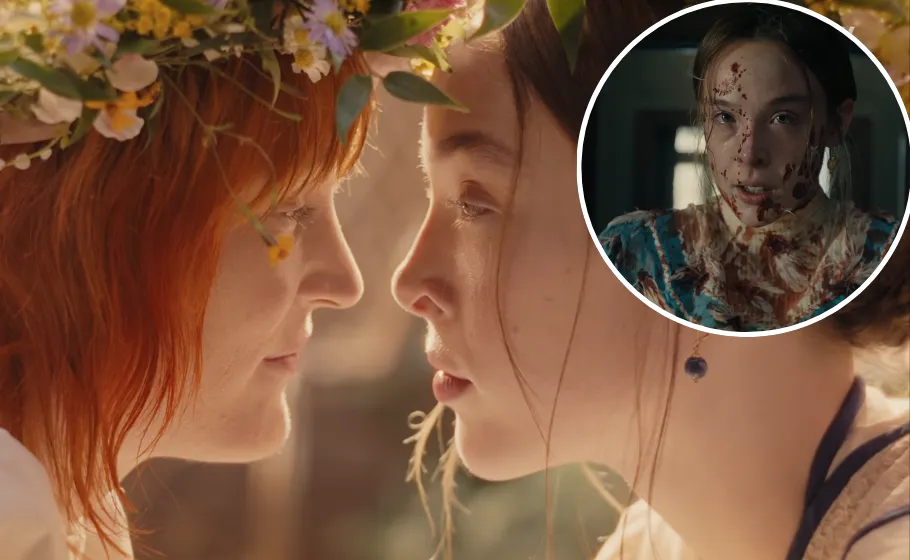
The depiction of Lizzie Borden in the latest instalment of Ryan Murphy’s Netflix series Monster has stirred controversy among fans and critics, with some praising its bold narrative choices and others criticising its extensive creative liberties.
The show, created by Ian Brennan and Ryan Murphy, focuses on the story of Lizzie Borden, whose father and stepmother were found brutally murdered in their house in 1892.
Though Lizzie was never convicted of the murder, and historians have found no consensus that she did it, fictionalised depictions of Lizzie have painted her as the killer for decades.
It makes for a good story – the idea of a woman in the Victorian era taking an axe to her stepmother and father for reasons we can only speculate on definitely captures the collective imagination.
But Lizzie Borden denied the crime until she died in 1927, unlike the previous protagonists of the Monster series: Jeffrey Dahmer, Lyle and Erik Menendez and Ed Gein, who all confessed.
Related content:
- Netflix removes ‘LGBTQ’ tag from Jeffrey Dahmer series after backlash
- Outrage as novel rewrites gay World War II hero Alan Turing as straight
- Ryan Murphy dismisses criticism of Netflix series Monsters
The choice of Lizzie Borden
That Lizzie Borden never confessed to the murders is only the first of many reasons that critics argue she was the wrong choice for a Monster retelling.
In the cases of Jeffrey Dahmer, the Menendez brothers and Ed Gein, the evidence was so overwhelming that a confession was more of a cherry on top.
The murders of Lizzie Borden’s father and stepmother took place in 1892, in the most nascent stages of the development of modern forensics.
Fingerprints were confirmed as unique identifiers that same year, and would take much longer to become standard practice at crime scenes. The first police crime laboratory wouldn’t be established until nearly two decades later, and DNA profiling wouldn’t be developed for almost 90 years.
 Image: Netflix / YouTube
Only evidence against Lizzie was highly circumstantial
She did try to buy poison days before the murder, her alibi wasn’t particularly reliable, and she was seen burning an old dress on the stove days after the murder, though she claimed it was ruined by paint.
Inevitably, with so little actual evidence to work with, Ryan Murphy’s depiction of Lizzie takes extreme creative liberties, in fact making up much of the story seemingly from scratch.
These creative liberties range in effectiveness and proximity to the truth.
Fictionalisation and sensationalism
Lizzie keeps pigeons, which are killed – though this is accurate, the show starts to run with it from there.
In the series, the brutal axe-murder of Lizzie’s beloved pigeons by her stepmother serves as a motive for her later crime.
In reality, Lizzie saw the pigeons more as livestock without any real emotional weight, and her father killed them because he believed they attracted vermin and thieves to the property.
On the more ludicrous end, the show adds in an extra murder that Lizzie definitely did not commit in reality.
The killing of Bertha Manchester serves as a practice run for Lizzie before she kills her parents in the show, when in reality Bertha was killed nine months after the Bordens, and decidedly not by Lizzie.
@netflixph the worst part of any plan is finding out that it didn’t work. PART 3/3 #MonsterTheLizzieBordenStory #EllaBeatty #VickyKrieps #CharlieHunnam #RebeccaHall ♬ original sound – Netflix Philippines
But was Lizzie Borden a lesbian?
Perhaps the show’s biggest fabrication, however, is its depiction of Lizzie Borden as a lesbian, in a relationship with her family’s maid, Bridget.
Though some have speculated about Lizzie’s sexuality, this seems to have started decades after her death, and been fuelled mainly by a book published in 1984 by a man named Ed McBain.
McBain speculated that Lizzie murdered her parents because they reacted badly to discovering her lesbian affair with the maid.
This is entirely speculative and highly sensationalist, as well as disturbingly in keeping with outdated and homophobic ideas about lesbianism.
@netflix somebody get Bridget an iced coffee stat #MonsterTheLizzieBordenStoryNetflix ♬ original sound – Netflix
Depictions of deviant women as lesbians are not new in film, and in fact go back to the Hays Code of early Hollywood.
Under the Hays Code, queer characters were considered “deviant” and could not be portrayed on-screen as being rewarded in any way.
Though Lizzie Borden gets a strange sort of “happy ending” in Monster, she is undoubtedly depicted as unhinged, unpredictable and gore-loving, which was a narrative choice the creators made for her.
Maybe Ryan Murphy didn’t think this deeply about it, but continuing a decades-old trope of lesbians as violent, aggressive, and dangerous does, in fact, cause actual, real-life harm – you know, to actual, real-life lesbians.
Femininity, oppression and violence
In line with this, Monster claims to explore themes of “female rage” in this season.
It depicts three alleged or confirmed killers: 16th-century noblewoman Elizabeth Bathóry, Lizzie Borden, and Aileen Wuornos, though only one of these women is confirmed to have killed anyone.
Lizzie’s suffering and oppression as a woman in the late Victorian period is directly linked to her murderous rampage; in fact, it is shown as a direct cause.
 Image: Netflix / YouTube
This is an idea worth exploring, though it’s arguably been done already (and better) by films like Gone Girl (2014), The Favourite (2018), Carrie (1976), and Jennifer’s Body (2009), some of which even include compelling sapphic storylines.
Monster also makes Lizzie a suffragette campaigner, which she was not.
It stacks every “feminine” problem imaginable – rape, domestic violence, pregnancy, brutally painful menstruation, and general powerlessness under male control – onto the character of Lizzie Borden, as if to neatly explain why she started killing people.
View this post on Instagram
She isn’t allowed to be actually complex, and neither are any of the other women in the story.
As a modern-day feminist, I can of course appreciate the oppressive, patriarchal circumstances that sometimes drive women to acts of violence, but the show manages to boil that concept down to a shockingly boring essence.
Can we please not girlboss-ify Lizzie Borden?
The show isn’t an all-around miss.
It does have some very period-accurate costumes, but it has been generally understood by critics as the least truthful and compelling of the Monster series.
It’s unfortunate that it also happens to be the first season about a woman, and that it has decided that woman is also a lesbian.
It’s not the first time the series has garnered backlash from the LGBTIQA+ community. In 2022, Netflix removed the “LGBTQ” tag from the show after disgust and disbelief from the community that the streaming service considered Jeffrey Dahmer representation.
If Lizzie Borden did murder her father and stepmother – which she well may have – I have no doubt her reasons would be more interesting than whatever Ryan Murphy put on our screens.
For the latest LGBTIQA+ Sister Girl and Brother Boy news, entertainment, and community stories in Australia, visit qnews.com.au. Find us on Facebook, Instagram and YouTube.