Rainbow Shoelace Project founder, LGBTQIA+ advocate and author, Abbie Jane, has written an open letter to Pauline Hanson after the federal One Nation leader shared that she doesn’t like Sydney Gay and Lesbian Mardi Gras, and that sexuality should be kept “behind closed doors”.
The Rainbow Shoelace Project’s Abbie Jane continues to find ways to help others shine with pride.
At age twelve, with her best friend Max, Abbie started wearing pride-colored shoelace beads to spread love and acceptance. The project grew into a global movement with Abbie distributing more than 320,000 free beads worldwide, something she continues to do today.
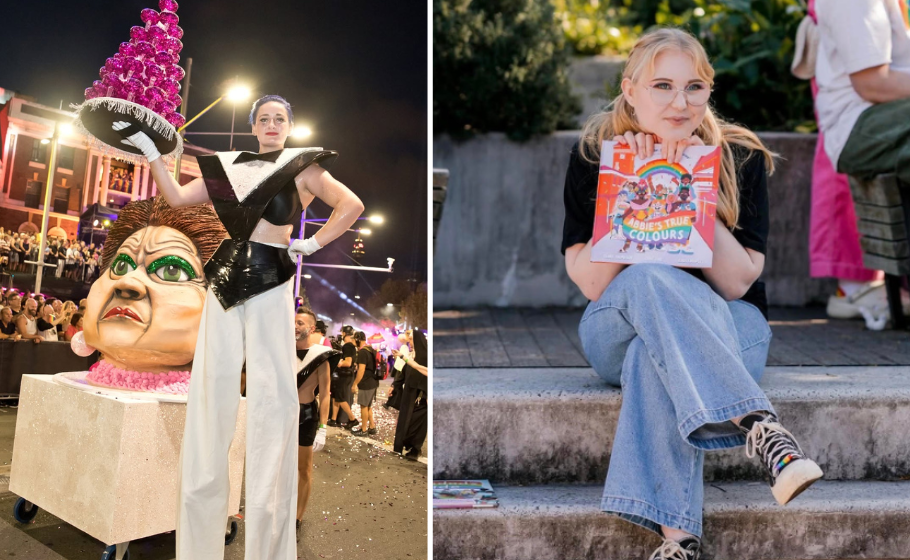
Last year, she launched her children’s book, Abbie’s True Colours, sharing her inspiring true story about how The Rainbow Shoelace Project came about.
Earlier this year, Abbie took a break from social media after being targeted by online trolls.
Abbie shared support for the students at Reynella East College in Adelaide who had protestors show up at the school because they acknowledged IDAHOBIT, the International Day Against Homophobia, Biphobia, Intersexism, and Transphobia.
After Pauline Hanson’s comments on the weekend, doubling down on her dislike for Sydney Gay and Lesbian Mardi Gras and saying that sexuality should be “kept behind closed doors”, Abbie has written to Hanson in an open letter.
View this post on Instagram
In it, Abbie calls out the comments, reminds Senator Hanson why Pride matters and reaffirms she is never going back into the closet.
Related content:
- Pauline Hanson still doesn’t like Mardi Gras, saying sexuality should be kept ‘behind closed doors’
- 16-year-old Rainbow Shoelace founder and author targeted online for supporting IDAHOBIT
- Abbie Jane’s children’s book helps others shine with pride worldwide
‘Mardi Gras didn’t begin as just a party’
“I heard your recent comments that you ‘just don’t like the Gay Mardi Gras’ and that you think ‘your own personal sexuality should be kept behind closed doors’.” Abbie writes.
“I understand that you are entitled to your opinion, but I want to explain why those words matter to someone like me.
Sharing that she is 16 years old, Abbie said, “I identify as part of the LGBTQIA+ community. I have also experienced firsthand why visibility, acceptance and events like Mardi Gras still matter.”
“I was bullied and harassed at school by students from almost every year level because of who I am. It became so bad that when I was 14 years old, I had to leave my hometown and move in with my aunty, hundreds of kilometres away from the town I grew up in and away from my immediate family.
“That is why I find the idea that LGBTQIA+ people should keep their sexuality “behind closed doors” so upsetting.”
“Mardi Gras didn’t begin as just a party. It came from people standing up against discrimination, police violence and a society that told gay people they should hide who they were.
“Nearly 50 years later, many of those underlying attitudes still exist. I know that because I have lived them.”
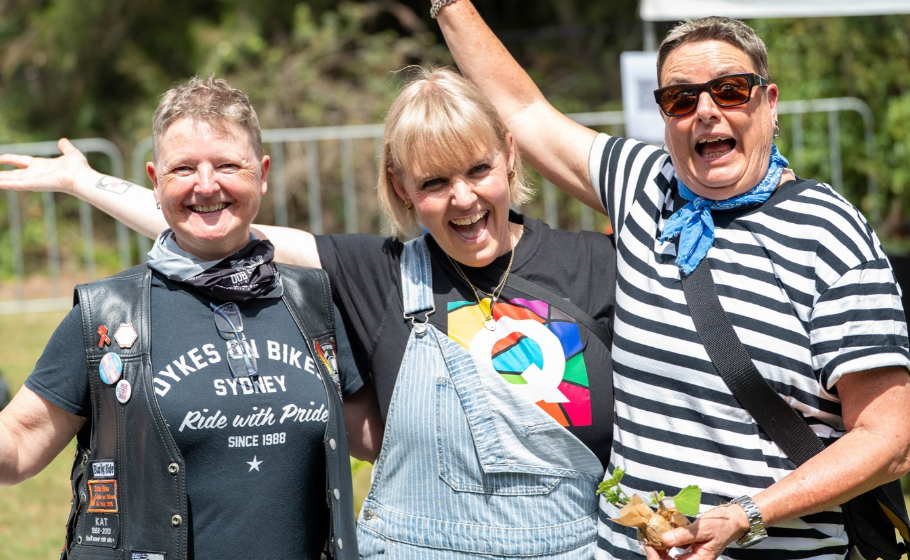
 Image: Sydney Gay & Lesbian Mardi Gras 2026 by Dean Arcuri
‘You don’t have to like Mardi Gras. You don’t have to attend it’
“Everyone thinks that marriage equality meant the LGBTQIA+ community was no longer discriminated against, or abused,” Abbie continues, “but I’m telling you that this is simply not true.”
“When someone in a position of influence, like you, says that people like me should keep our sexuality behind closed doors, it can reinforce the very shame and stigma that LGBTQIA+ young people are already fighting. A young person who is being bullied, questioning themselves and wondering whether there is something wrong with them can hear those words and think, maybe I really should hide who I am.”
“I honestly hope you can reflect on the impact of your comments and consider how best to respond to similar questions in the future, in a way that isn’t causing harm to people.
“You don’t have to like Mardi Gras. You don’t have to attend it. But I hope you can understand why it continues to matter to people like me. During the time when I was being bullied the most, Mardi Gras was one of the places where I felt most accepted, safe and loved for exactly who I am.
 Abbie Jane
Image Supplied
“At a time when people at my school were making me feel like there was something wrong with me for being LGBTQIA+, being surrounded by people who were proud of who they were, and proud to support people like me, meant more to me than you could probably ever realise.”
‘I had to leave my hometown because I was bullied’
“For me, being visible isn’t about putting my sexuality in anyone’s face,” Abbie writes. “It’s about being able to exist openly without shame, fear or the feeling that I should disappear to make other people comfortable.”
“I had to leave my hometown because I was bullied for being part of the LGBTQIA+ community. I don’t want a world where young people feel they have to leave their communities, their schools or their families simply because they are LGBTQIA+. That’s why, even post-marriage equality, Mardi Gras still matters.”
“And that’s why I won’t be keeping who I am behind closed doors.”
Sydney Gay and Lesbian Mardi Gras also shared their thoughts on Senator Hanson’s comments in a social media post.
“Mardi Gras is a party, a protest and a promise that LGBTQIA+ people don’t have to live ‘behind closed doors’, no matter who’d prefer it that way,” SGLMG wrote.
“For someone who says she’s never attended Mardi Gras, we’d argue Pauline Hanson has been participating in her own special way for decades. She’s inspired floats, drag queens, costumes and even a dance track, Pauline Pantsdown’s I Don’t Like It.”
“She’s certainly contributed a lot of material. Mardi Gras has always responded to prejudice with humour, creativity and a fabulous outfit. So Pauline, the invitation remains open.
“Come along one year. You might even like it.”
 Source: Mardi Gras Social Media
For the latest LGBTIQA+ Sister Girl and Brother Boy news, entertainment, and community stories in Australia, visit qnews.com.au. Find us on Facebook, Twitter, Instagram and YouTube.