“It’s never been more important for allies to stand in active solidarity with LGBTQIA+ victim-survivors of domestic and family violence.” A powerful call to action on LGBTQ+ Domestic Violence Awareness Day by the LGBTQ Domestic Violence Awareness Foundation.
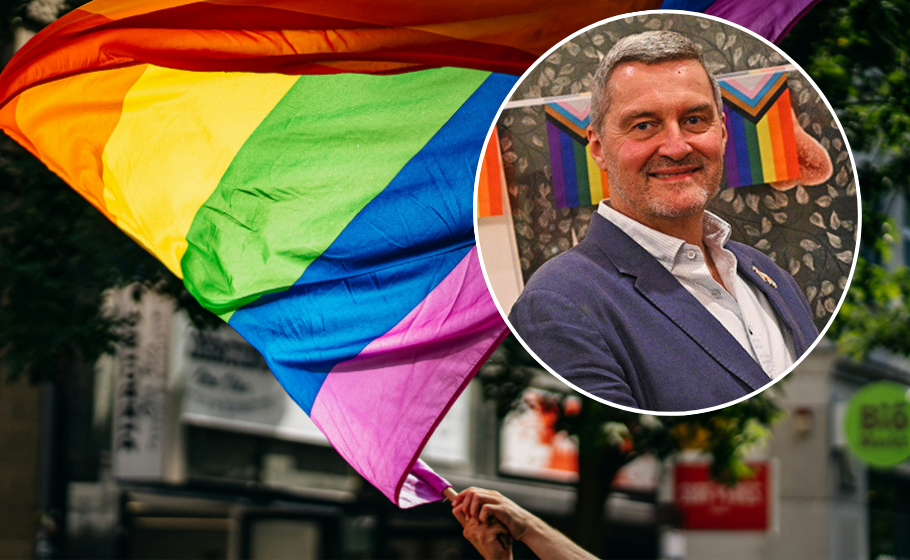
“Domestic and family violence within the LGBTQIA+ community in Australia is not a niche issue – it’s a national crisis,” said Sue Webeck, Director (Deputy Chair) of the LGBTQ Domestic Violence Awareness Foundation.
“While awareness and support is growing, it cannot happen in a vacuum.”
“We must work hand-in-hand with our allies to continue to increase visibility, education and understanding, and for them to use their voices where ours may not be heard.”
Domestic and family violence doesn’t discriminate based on sexuality or gender identity.
View this post on Instagram
Now in its seventh year, May 28th is LGBTQ+ Domestic Violence Awareness Day, a national day to shine a light on abuse in LGBTQ+ relationships and demand greater visibility, understanding, and support for LGBTQ+ victim-survivors of domestic and family violence.
In recognition of LGBTQ+ Domestic Violence Awareness Day, the LGBTQ Domestic Violence Awareness Foundation is issuing a powerful call to action: it’s never been more important for allies to stand in active solidarity with LGBTQIA+ victim-survivors of domestic and family violence.
“This year, we’re asking everyone to join us to help raise awareness of abuse in LGBTQIA+ relationships by understanding the common signs of abuse, showing empathy, and connecting people to safe, inclusive support,” said Webeck.
“We all have a role to play in ensuring that every Australian—regardless of who they love or how they identify—is seen, heard, and believed.”
Related content:
The statistics remain staggering
More than 60% of LGBTQ+ people report having experienced domestic or family violence (Private Lives 3 Report, 2020).
In contrast, around 27% of women and 12% of men in heterosexual relationships have reported experiencing violence from an intimate partner.
For many LGBTQ+ victim-survivors, support services remain inaccessible, uninformed, or unsafe.
That is why Australians are being urged to stand in active solidarity with LGBTQIA+ victim-survivors of domestic and family violence.
“Statistics show that LGBTQ plus people experience domestic and family violence at similar rates to the rest of the community,” Webeck said, “But we also have a long way to go to include LGBTQ plus community members when we are collecting information and data about the lived experience of domestic and family violence elements.
The Private Lives 3 Report is the third iteration of Australia’s largest national survey of the health and well-being of lesbian, gay, bisexual, transgender, intersex and queer people to date.
It found that:
- 1 in 2 respondents (49%) had experienced sexual assault.
- 3 in 5 respondents (61%) had experienced violence from an intimate partner
- 8 in 10 (81%) of respondents with severe disability had ever experienced family violence.
View this post on Instagram
Regional LGBTQIA+ communities are underrepresented
The risk levels rise in regional and remote communities where visibility and support options are often limited or non-existent.
“We have an underrepresentation in the visibility of LGBTQA+ people in what’s called mainstream service access, and what we know is that lots of mainstream services also don’t operate in regional and rural areas,” Webeck said.
“We have many members of the diversity of that community really unable to access any services face-to-face.”
“The best idea right now is to lean on those that are putting their hands up to say that they are allies and supporting them with the resources that we have online, but also we need to make sure that we have the appropriate supports and responses available in those locations.
The LGBTQ Domestic Violence Awareness Foundation urges all Australians to:
- Educate themselves on the unique signs of abuse within LGBTQIA+ relationships,
- Challenge homophobia, biphobia, and transphobia when they see it, as these environments provide cover for abusers,
- Listen without bias when someone discloses their experience, ensuring the survivor feels safe and validated.
The Foundation also noted that for LGBTQIA+ individuals, the barriers to seeking help are often weaponised by perpetrators.
This includes:
- threats of ‘outing’ a partner,
- withholding gender-affirming care,
- or exploiting the fear that mainstream services will not understand their unique lived experiences.
2026 marks a pivotal shift in the conversation
LGBTQ+ Domestic Violence Awareness Day marks an important moment of awareness.
Ben Bjarnesen started the awareness day in 2020.
Bjarnesen is a former LGBTI Liaison Officer in the Queensland Police Service and a domestic violence survivor.
He also founded the LGBTQ Domestic Violence Foundation.
Ben shared his own personal experience with QNews.com.au in 2019.
To mark the day, a special parliamentary event is being held at Australian Parliament House.
The event will bring together policymakers and community leaders to bridge the gap between awareness and legislative action.
Will you join the national call for support for LGBTQIA+ domestic and family violence victim-survivors?
“It isn’t about saying there needs to be a focus for LGBTIQA plus communities, so we need to take some of the focus from over here,” Webeck said.
“It’s about ensuring that we are expanding the way that we respond to community needs.”
“Educate yourselves around what might look different in terms of use of violence in LGBTQ plus relationships, ensuring that you are looking at organisations like the LGBTQ Domestic Violence Awareness Foundation for information that we put out on our socials pages and sharing those within your community groups.”
If you would like more information, training resources, or to learn how you can support the day, visit dvafoundation.org.
For confidential support, contact LGBTQ+ services such as QLife or the Rainbow Sexual, Domestic and Family Violence Helpline.
For the latest LGBTIQA+ Sister Girl and Brother Boy news, entertainment, and community stories in Australia, visit qnews.com.au. Find us on Facebook, Twitter, Instagram and YouTube.